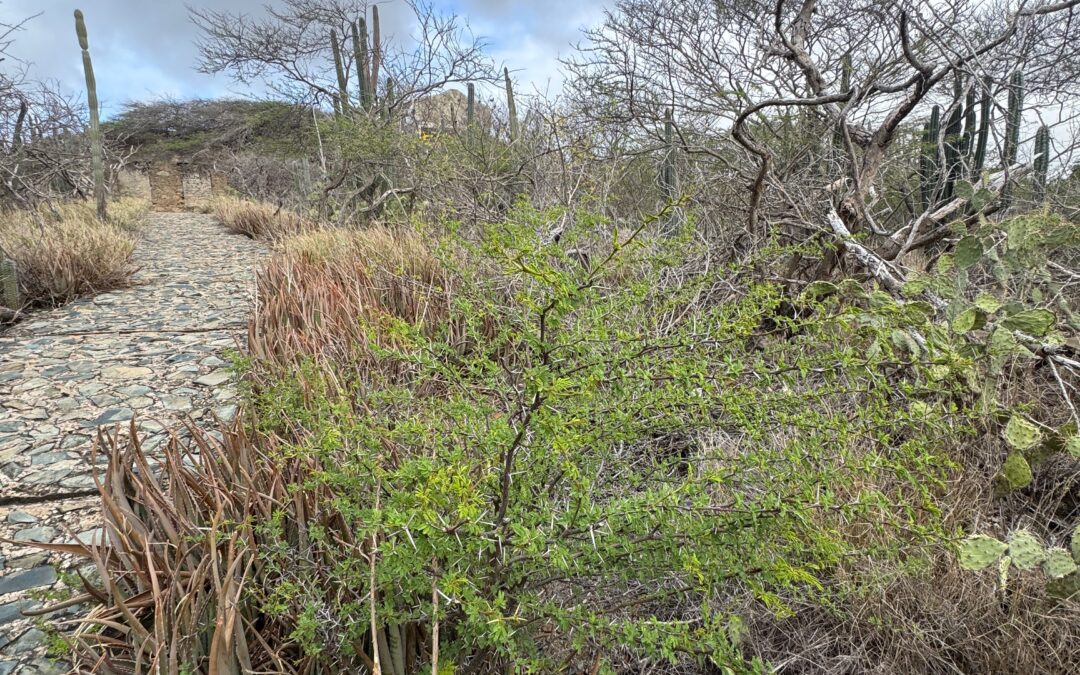
Long before Aruba became known as a welcoming Caribbean destination, it was home to communities that understood how to live with the island rather than simply upon it.
Aruba’s earliest known inhabitants were Archaic people who traveled by canoe from the nearby coasts of present day Venezuela and Colombia. They arrived in an environment shaped by strong trade winds, limited rainfall and the surrounding sea. Building a life here required observation, cooperation and remarkable resourcefulness.
These early communities fished, hunted and gathered food. They also cultivated crops such as maize and sweet potatoes. Using the materials available to them, they created tools from stone and shells. They lived in small family groups along the coast and in settlements farther inland.
Every part of daily life required practical knowledge. People had to understand where food could be found, how water could be conserved and which materials could be transformed into useful tools. Knowledge was not simply valuable. It was essential to the survival and wellbeing of the entire community.
By approximately AD 900, Caquetío communities had established several villages across Aruba. They cultivated maize and cassava and created pottery and jewelry. Their communities were connected to the South American mainland through shared culture, knowledge and movement across the sea.
Aruba was not an isolated island. The sea served as a connection to neighboring communities, allowing people, traditions and ideas to travel between the island and the continent.
It would not be historically accurate to describe Aruba’s earliest inhabitants as entrepreneurs in the way we understand the word today. They were not establishing companies or marketing experiences. However, the qualities at the heart of entrepreneurship were already present.
They observed their environment. They developed specialized skills. They transformed limited resources into useful objects. They shared knowledge and created solutions that supported their families and communities.
This is where the story of Aruba’s entrepreneurial spirit begins.
Resourcefulness would continue to shape the island throughout its history. Every generation encountered different challenges and opportunities. Industries would rise and fall. Political relationships would change. New communities would arrive, bringing additional languages, traditions and ideas.
Yet the ability to adapt remained constant.
We can still recognize that spirit in Aruba’s entrepreneurs today. It lives in the farmer working with the island’s climate, the maker preserving a traditional skill and the guide transforming local knowledge into a meaningful experience. It can be found in every small business owner who looks at the resources around them and imagines what they might become.
Aruba’s earliest communities remind us that innovation does not always begin with technology, investment or a formal business plan. Sometimes it begins with understanding a place deeply and using what is available with creativity and care.
Before Aruba had hotels, restaurants or tour companies, it had resourceful people creating a life on a demanding island.
That ingenuity became part of who we are.